Signs of moisture include.
Mold behind shower tiles fix.
We live in an 11 year old house only owners.
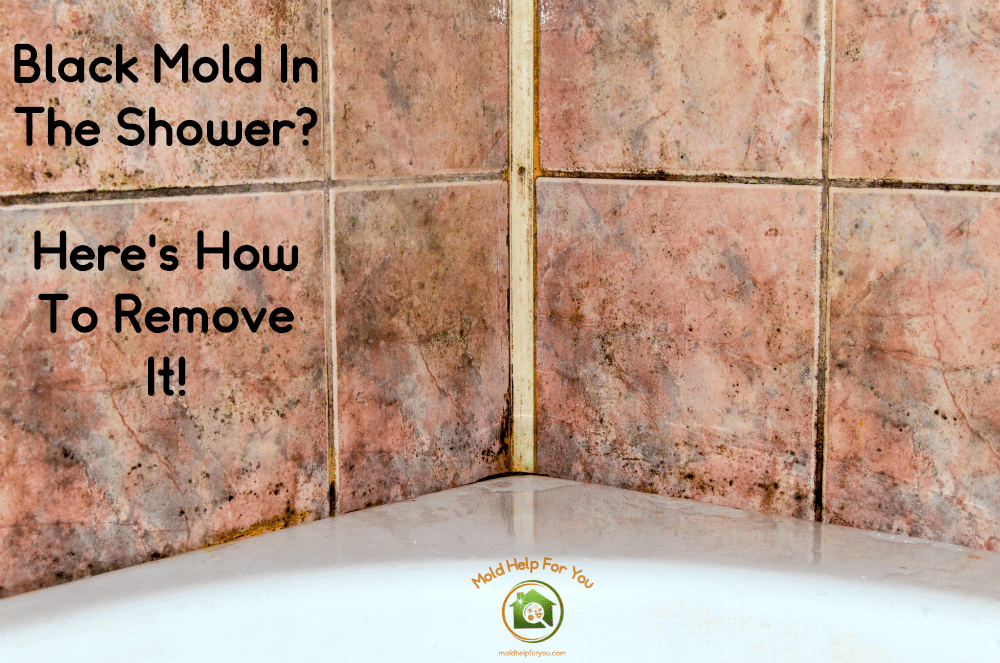
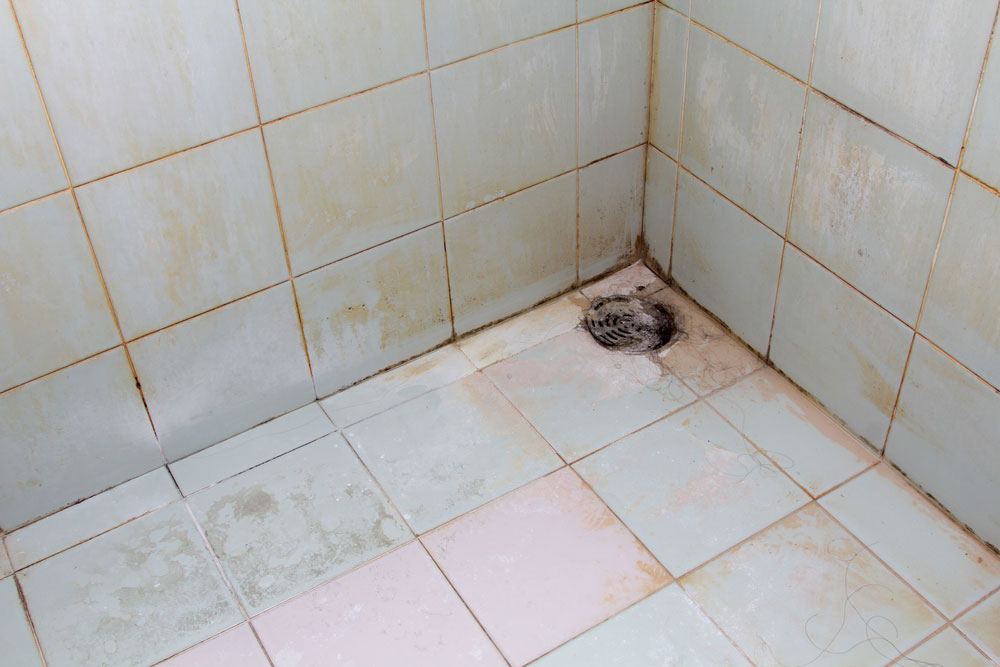
The most common places to find mold are tile grout caulk and painted or wallpapered walls.
These problems allow shower water to penetrate the wall and cause damage and they are generally found low on the shower wall down where the tile meets the shower base.
How to prevent bathroom mold.
Leaky cold hot water supply lines.
This can be a sign of black molds growing behind the shower tiles.
Cracked tile grout.
What all molds have in common is that constant moisture is required for their existence.
But instead he found that the wall behind is covered in black mold i guess it just kind of caved in.
However if enough moisture has penetrated the wall cavity behind the shower surround structural damage can occur.
When drywall gets moist it expands and swells the grout cracks as a result more.
Then spray the mixture on painted surfaces tiles windows or wherever you see mold or mildew spots.
If there is a growth of black mold then the walls will show signs of damage.
Keep in mind that mold isn t just an unpleasant concept it is a serious health risk.
Use an antifungal surface cleaner such as clorox antifungal available on amazon and a sponge or cloth to wipe mold off of non porous surfaces like tile and porcelain follow.
This dangerous accumulation develops because of the moisture in the small closed up room that has only limited ventilation.
If there s evidence of mold growing on the drywall or subfloor behind bathroom tile the tiles appear to be askew or they move when you touch them you ll need to hire a professional to clean and repair that area.
If the house was built from roughly 1965 90 the wall behind the tile is covered with drywall greenboard.
Surface mold growth is annoying but rarely more than an aesthetic nuisance.
Bathroom mold occurs primarily because mold loves damp dark isolated spaces says larry vetter of vetter environmental services in smithtown n y.
The build up of mold behind shower wall construction is a common occurrence.
Mold discolored grout loose tile and peeling caulk.
Typically a bathtub shower or entire bathroom remains damp enough for mold growth just from.
If you spot these symptoms you have found the water damage.
The tiles of you shower stall might feel muddy and the area where you take a shower might be slimy and damp.
This moisture never completely dries and eventually seeps into the nooks and crannies of your shower.
To remove and inhibit bathroom mold and mildew pour a solution of 3 tablespoons white vinegar 1 teaspoon borax and 2 cups hot water into a clean recycled spray bottle and give it a few good shakes.
Three causes are possible.
Our master shower is tiled some of the tiles were coming loose so my husband was going to fix this.